
I recently watched a thought-provoking documentary called Inner Worlds, Outer Worlds on Prime Video. The film explores the profound connection between the inner dimensions of human consciousness and the outer realms of the universe, drawing on ancient wisdom and modern science to reveal how all of existence is interconnected. It emphasizes the idea that our inner states—our thoughts, emotions, and consciousness—are deeply linked to the outer world we experience. The film also explores the separation many people feel from this interconnected reality, leading to the crises and conflicts that permeate our world today.
Inspired by the documentary’s profound insights, this article explores how the separation of human sentience from the Source of existence has impacted our political, social, economic, and personal lives—and how we can begin to heal through meditation, selflessness, and service.
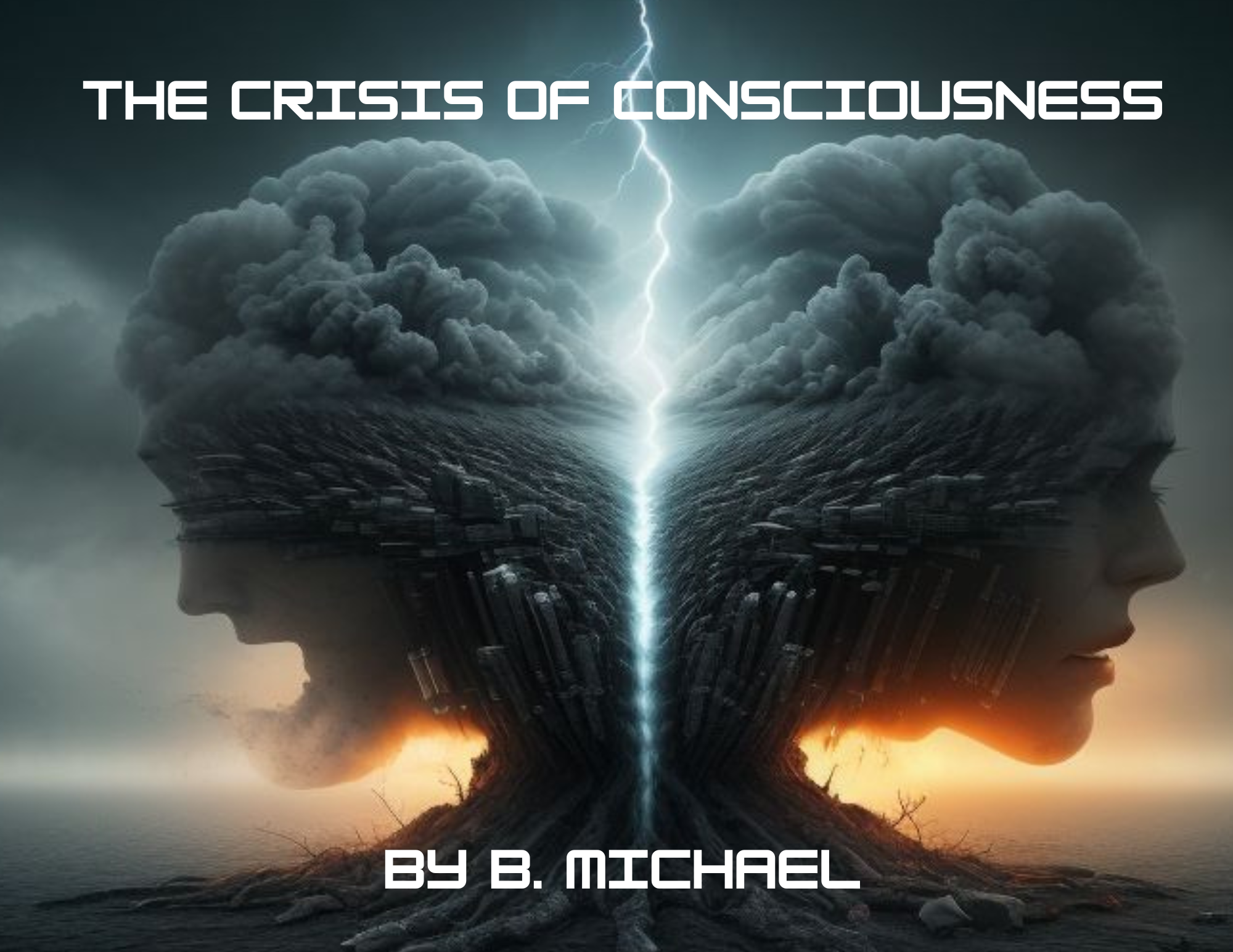
After watching the video, I’ve come to innerstand even more that humanity faces a profound crisis that pierces the heart of our political, social, economic, and personal lives: the crisis of consciousness. This separation between human sentience and the Source of existence has fueled conflicts and dilemmas at every level, from wars between nations to the quiet unrest within our individual souls. When disconnected from the Source—the unifying force that permeates all existence—we fall prey to illusion, selfishness, and chaos, triggering a cascade of negative consequences in our shared reality.
The separation of human sentience from its Source manifests politically as the rise of divisive ideologies, where power and control become the driving forces behind governance, rather than unity, justice, and care for all people. Socially, it leads to fragmentation, where individuals and communities prioritize personal gain and identity over collective well-being. Economically, this disconnect feeds into a system that thrives on exploitation, materialism, and a disregard for the sanctity of life and creation. On a personal level, it creates inner turmoil—a sense of purposelessness, anxiety, and disconnection from the deeper meaning of life.
The existential challenge, then, is to realign our consciousness with the Source, to heal the fragmentation that has torn apart the harmony intended for human life. To address these crises, I propose three essential paths that offer profound solutions: meditation, selflessness, and service.
1. Meditation: Reconnecting with the Source
Meditation is an ancient practice that aligns our consciousness with the divine flow of life. Through stillness and inner reflection, meditation allows us to quiet the noise of the external world and access the deeper truths that lie within. The practice of “stilling the mind” is referenced throughout scripture, where we are encouraged to meditate on transcendent wisdom.
Psalm 46:10 declares, “Be still, and know that I am Elohim.” This passage hints at the transformative power of stillness. In meditation, we move beyond intellectual understanding and reconnect with the essence of existence. When we are still, we recognize that the Source permeates all things. Our separation is an illusion; our reality is oneness.
Through meditation, we cultivate inner peace, clarity, and insight. This practice directly counteracts the fragmentation we experience in our political and social lives. When people operate from a place of unity and wholeness, conflicts dissolve because there is an understanding of shared humanity, transcending divisions of race, religion, and nationality. Meditation fosters a consciousness that no longer seeks power over others but instead strives to create harmony and balance in all relationships.
2. Selflessness: Rising Above Ego
At the root of many human conflicts is ego—the selfish desire to assert our will, dominate others, and accumulate for ourselves alone. This ego-driven state is the opposite of the natural harmony intended for us. In order to return to the Source, we must embrace the principle of altruism, or selflessness, which is a fundamental aspect of the natural order.
In part 2 of the documentary, The Spiral, the narrator says, “[t]oday humans try to understand the spiral with the rational mind, but it was never thinking that connected us to the spiral of life. We have always been connected. Thinking is what keeps us in the illusion of separateness, within our own identities. Thinking IS the creation of separateness. The experience of limitation. The more we align with thought, the more removed we become from the Source.”
Contrary to our modern minds, Proverbs 16:18 warns, “Pride goes before destruction, and a haughty spirit before a fall.” Ego blinds us to the interconnectedness of all things, driving us to seek satisfaction through self-promotion, material gain, and the oppression of others. When we prioritize self over others, we create imbalances that manifest in political corruption, social inequality, and economic exploitation.
The solution is a shift in consciousness, moving from self-centeredness to selflessness. Selflessness opens the path to peace because it acknowledges that the well-being of others is inextricably linked to our own. When we practice selflessness, we operate from a place of abundance rather than scarcity, knowing that the Source of existence provides for all who align with it.
Selflessness is not about abandoning oneself, but about recognizing that the truest form of self-expression is found in uplifting others. This principle, which echoes throughout sacred wisdom, teaches us that through humility and generosity, we return to our true nature—one of compassion and mutual support.
3. Service: Aligning with the Flow of Creation
Service is the active expression of both meditation and selflessness. It is not enough to simply reflect inwardly or practice humility; we must engage in acts of service that contribute to the greater good of humanity. True service is rooted in the understanding that by serving others, we are serving the divine.
Matthew 25:40 highlights this truth: “Truly I tell you, whatever you did for one of the least of these brothers and sisters of mine, you did for me.” Service aligns us with the natural flow of creation, where each part works in harmony with the whole. Just as the stars, trees, and rivers fulfill their roles in sustaining life, so too are we called to contribute to the well-being of all.
Service requires us to extend beyond our personal interests and actively seek opportunities to uplift those around us. Whether through acts of kindness, charity, or simply offering a listening ear, service transforms our immediate environment and helps restore the balance that has been disrupted by greed and selfishness.
The practice of service is a powerful remedy for the economic disparities that plague our world. In a system where profit and competition often overshadow human dignity, service reminds us of the higher calling to care for the vulnerable and marginalized. By engaging in service, we become instruments of the Source, bringing healing and unity where there was once division and strife.
Service is the active expression of both meditation and selflessness. It is not enough to simply reflect inwardly or practice humility; we must engage in acts of service that contribute to the greater good of humanity. True service is rooted in the understanding that by serving others, we are serving the divine.
A central aspect of service is tzedakah—the practice of charity. In Hebrew, tzedakah translates to “righteousness” or “justice,” underscoring that charity is not merely a generous act but a fundamental obligation. As Proverbs 19:17 states, “Whoever is kind to the poor lends to YaH, and He will reward them for what they have done.” Giving to those in need is not just about financial aid; it reflects our duty to uphold justice and maintain the balance within society. Charity aligns us with the flow of creation, ensuring that resources are shared equitably, allowing everyone the dignity to thrive.
Tzedakah reminds us that we are stewards of the blessings we receive and that through service—especially charitable acts—we directly contribute to the repair and healing of a world marred by inequality. By actively engaging in charity, we not only lift others but also cultivate humility and strengthen the bond between ourselves and the Source, promoting justice and harmony in our communities.
Tying this all together, the crisis of consciousness is a symptom of our disconnection from the Source of existence which has led to conflict, division, and suffering on political, social, economic, and personal levels. The path to healing begins with reconnecting to the Source through meditation, rising above the ego through selflessness, and actively participating in the flow of creation through service.
These three principles—meditation, selflessness, and service—are not abstract ideals, but practical paths to restoring harmony in our lives and the world around us. They remind us of the truth that when we align our consciousness with the Source, we become agents of peace, justice, and compassion. Through these practices, we can transform not only our inner selves but also the world, manifesting a reality that reflects the heavenly order of unity, love, and abundance for all. For it is as such that when we change ourselves, the world, too, will change.
Discover more from SHFTNG PRDGMZ
Subscribe to get the latest posts sent to your email.

