
______________________________________________________________
Anyone whose fear of sin precedes his wisdom, his wisdom endures; but anyone whose wisdom precedes his fear of sin, his wisdom does not endure. And anyone whose deeds exceed his wisdom, his wisdom endures; but anyone whose wisdom exceeds his deeds, his wisdom does not endure.
Pirkei Avot 3:9 — Rabbi Ḥanina ben Dosa
And for this reason do your utmost to add to your belief uprightness, to uprightness knowledge, to knowledge self-control, to self-control endurance, to endurance reverence, to reverence brotherly affection, and to brotherly affection love. For if these are in you and increase, they cause you to be neither inactive nor without fruit in the knowledge of our Master יהושע Messiah.
2 Kepha 1.5-8
______________________________________________________________

Confession.
Five.
I was first exposed to pornography at five years old.
At that time, I didn’t even have the words to even describe what it was that I saw, but I do know that the images had claws, and that they’ve had a grip on my soul for decades ever since that initial moment. My first exposure was like a fiery arrow to my innocence, piercing me before I even understood what desire was supposed to be. It was exhilarating though, strange but exciting; unfamiliar but enticing. And so, from childhood confusion to adolescent curiosity, from secret shame to spiritual sabotage, that thing shadowed me like a dark cloud. Pornography became the silent preacher of my mind, giving sermons of lust, distortion, and objectification, while masturbation became its altar of sacrifice; draining my vitality, spiritual clarity, and righteous masculinity.
The consequences were far deeper than even I realized at the time. Every indulgence wasn’t just a physical act, it was a spiritual agreement with an energy that thrives on distortion and perversion. As I’ve highlighted in the previous two articles, Messiah Yeshua said that “…the eye is the lamp of the body…” (Matthew 6:22), and what we behold either brings light or darkness into our being. So each time that I indulged in pornography, I wasn’t just entertaining lust, I was welcoming a dark shadow that clouded my mind, dulled my discernment, and fractured my relationships. Lust whispered lies about love, warped my ability to see women as daughters of Zion and turned them into objects of pleasure, robbing me of the holiness of true intimacy.

I can honestly say that the spiritual effects were heavy. There were times I would pray with passion, teach Torah with fire, and still feel like I was drowning in shame after the doors closed. Ministries, marriages, money, none of it exempted me from the grip of this addiction. I’ve come to realize that pornography is not just a habit; it’s a chain that tightens its grip like an constricting serpent with secrecy and silence. It’s a demonic energy, an unclean spirit that feeds on guilt and isolation, making you feel like you can’t break free. I learned the hard way that you can’t fight it by willpower alone; it takes spiritual alignment, fasting, and a full reprogramming of mind and body.
It wasn’t until this year, after a lifetime of cycles—tears, relapses, repentance, and return—that I finally crossed over. I went on a 90-day semen retention journey from April 12 to July 12 which gave me the ability to successfully embark on my exodus. It was the key that unlocked the stronghold of lust, a key forged through discipline, prayer, and intentional fasting of my eyes, mind, and body. Over the course of this time, I’ve learned that lust is not just a sin of the flesh, but a war for the soul. By refraining from self-gratification and consciously redirecting that life-force energy (yes, the very seed that holds creative power), I began to experience clarity, focus, and a renewed spiritual connection that I hadn’t felt in decades.
One of the deepest revelations I’ve received on this journey is that semen retention is not just about avoiding a habit; it’s about reclaiming holy, creative power. In Torah and Israel’s mystical wisdom, this principle is rooted in Yesod, the foundation of the Tree of Life. Yesod represents the channel through which supernal energy flows into the material world. When our sexual energy is wasted through lust and unbridled release, however, we are essentially spilling the very essence of creation, the raw energy that was meant to build, manifest, and elevate us.
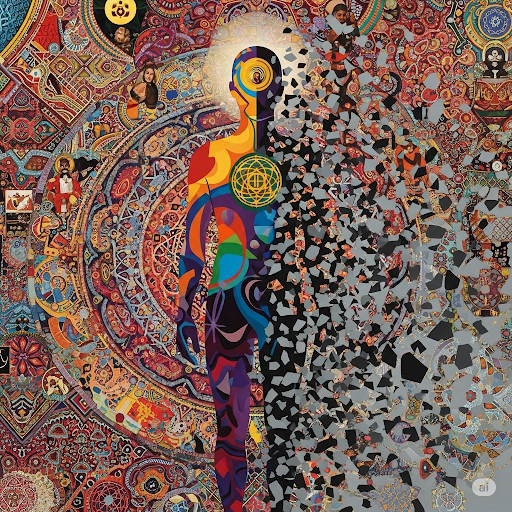
The Zohar speaks of the seed as “the light of the soul” and warns against wasting it, for it is a sacred spark of life. Every time we engage in lust without purpose, we not only weaken our physical vitality but we fracture the spiritual connection between our body and soul. As Proverbs 5:9-10 warns,
You will give your vigor to others, and your years to the merciless; strangers will take your wealth, and your labors will go to the house of a foreigner
This isn’t just about money, it’s about losing our energy, focus, and clarity that should have been used to build our destiny.
When I embarked on my 90-day semen retention journey, I began to experience what I can only describe as transfiguration, which is why this movement was birthed. My mind became sharper, my prayers deeper, my body stronger, and my spirit freer. I started seeing the connection between sexual energy and manifestation; the same life-force that can create a child can also create visions, businesses, ministries, and movements when properly channeled. And though I realized the sacred nature of intercourse several years ago, I still struggled with harnessing my sexual energy instead of squandering it for a cheap rush of dopamine.

The Sefer Yetzirah teaches that creation is a matter of aligning letters, sounds, and intention with supernal frequency. Retaining and elevating sexual energy allowed me to vibrate at that higher frequency. Yeshua hinted at this principle when He said,
Blessed are the pure in heart, for they shall see Elohim
Matthew 5:8
I’ve come to realize over this course of time that that purity isn’t just about abstaining from wrong acts; it’s more so about mastering your inner drives. By conquering lust, I began to see Elohim with what Job called the eye; that singular, focused spiritual perception (Job 42:5). It’s this eye, the inner vision, that allows us to enter the quantum field of manifestation with clarity and divine alignment.
Breaking free from pornography has been one of the most profound ways I have lived out the name Yisra’el; wrestling, striving, and finally prevailing through the power of YaH. Just like Jacob at the ford of Jabbok, I found myself face-to-face with something that demanded a fight for my identity. Pornography wasn’t just a physical temptation; it was a spiritual parasite, feeding off my energy, dimming my light, and distorting my vision of love, intimacy, and purpose. Every relapse felt like another night wrestling in the dark, bruised and broken, but still I refused to let go until I received my blessing.
And my battle isn’t simply about quitting an addiction; it’s about becoming. Like Jacob’s transformation into Yisra’el, I have to confront the part of me that continued to cling to false comforts and illusions; I have to overcome not just lust, but the brokenness and trauma that feeds it. This struggle has taught me that overcoming is not just about saying “no” to sin; it’s about saying “yes” to who we really are; vessels of light, discipline, and heavenly purpose.
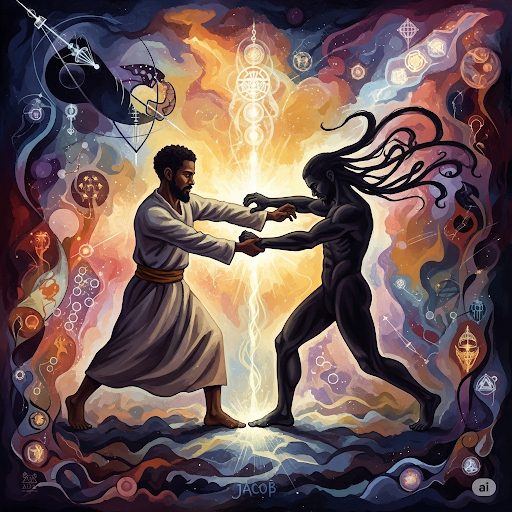
So every time I choose prayer over impulse, Torah study over temptation, or semen retention over release, I’m stepping into the meaning of Yisra’el: one who wrestles with Elohim and prevails. What I also came to experience during this period was the truth of the matter that Jacob didn’t just wrestle with an angel; he wrestled with himself, his name, his past, his present, his patterns, his program, his doubts, his fears, his entire being. And that wrestling in that place where he was in the dark, allowed him to experience the light of the break of dawn when he was renamed. Behold…
Your name will no longer be Yaʿaqov, but Yisra’el, for you have striven (sarita) with Elohim and with men and prevailed (vatuchal)
Genesis 32:28
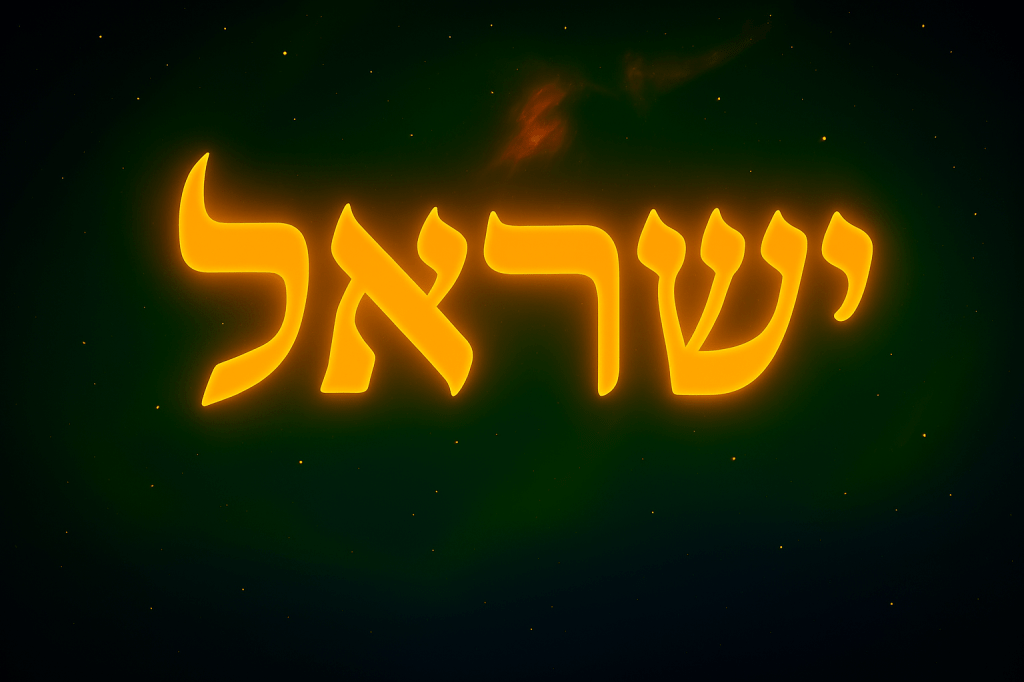
The name Yisra’el (יִשְׂרָאֵל) carries a depth of meaning that reveals the essence of overcoming and prevailing in YaH. It is often translated as “one who strives with Elohim,” but its inner structure tells an even greater story. Beginning with the
Yod (י), the first letter, is the smallest letter of the Hebrew aleph-bet, we see the spark of holy energy, the seed of faith, and humility; the acknowledgment that victory begins not with self but with the power of the Most High.
Shin (ש) the second letter, brings the fire of transformation, the consuming trials that refine our character and burn away impurities, much like a blacksmith’s furnace purifies gold.
Resh (ר) the third letter, represents the head, leadership, and authority, reminding us that true dominion begins with mastering the mind and aligning it with the will of Elohim.
Aleph (א) the fourth letter, speaks of oneness and holy unity, the silent yet powerful presence of the Creator that undergirds every victory.
And lastly, Lamed (ל), the tallest letter, signifies learning, growth, and ascension; it is the reaching upward, the stretching of the soul toward higher consciousness and spiritual elevation.
When combined, the letters that spell the name Yisra’el paints the picture of one who, through humility and the refining fire of struggle, masters the self and rises into holy unity and authority. So as we can clearly see, Israel is not just a name; it’s an identity and a calling. To be Yisra’el is to wrestle with both the visible and invisible, to fight against inner battles as much as external challenges, and to emerge transformed; empowered to walk in covenant as a vessel of Elohim’s purpose. This name declares that our greatest victories are not over others, but over ourselves, and through that self-mastery, we manifest the power and presence of the Most High in our lives.
And this is the key: prevailing with self-mastery, and this not without wounds, but with a new walk and a new name. Jacob crossed over the Jabbok limping, but crowned and renamed with a new identity and purpose. That there, beloved, is transfiguration, and that’s what overcoming really looks like.
The quote from 2 Kepha at the intro of this article is hands down one of my favorite passages in all of Scripture. It holds that place simply because of the result it promises if we dare to apply it to our lives. In his exhortation, Kepha lays out the Torah’s blueprint for overcoming and mastering life’s battles as a roadmap for stepping into the fullness of being “more than conquerors.”
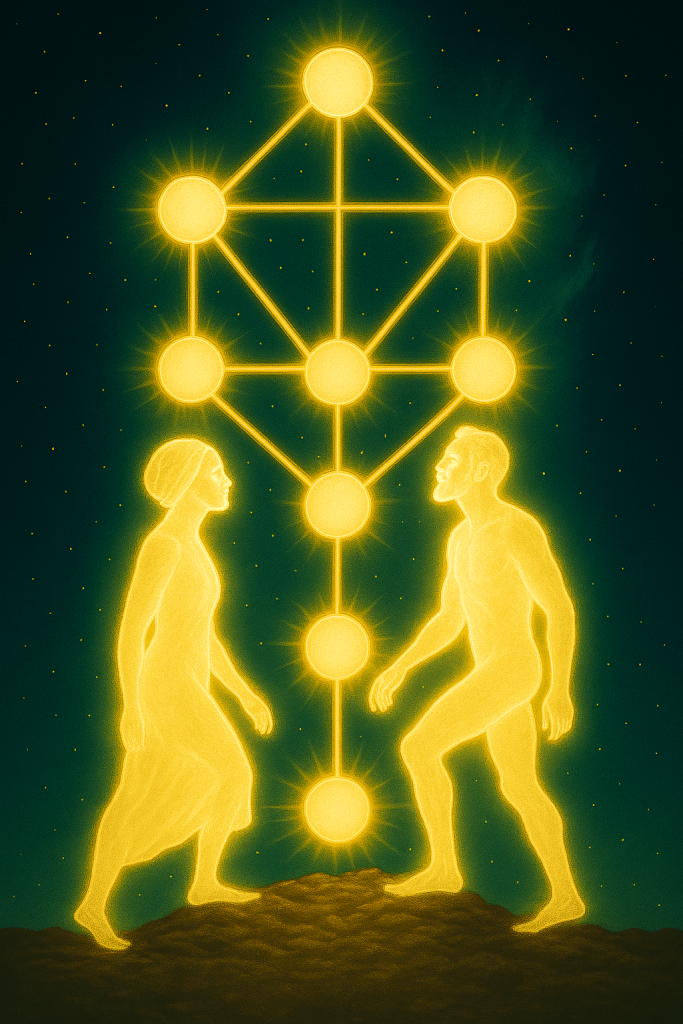
His words provide a deliberate, actionable step-by-step guide, like a ladder of ascension, a spiritual practice in motion, to perfection. He begins with faith (emunah), that raw trust and belief, but quickly moves to virtue (moral courage), then to knowledge (da’at), which is both intellectual understanding and spiritual awareness. He let’s us know that it’s not enough to just believe; belief must be built upon, cultivated, and transformed into character.
Personally speaking, applying this principle meant recognizing that my faith wasn’t weak because I struggled; rather it was being tested, refined, and even given the chance to grow stronger. Every failure, every relapse, every moment of shame that I experienced wasn’t the end; it was an opportunity to add another layer of perseverance, to hold fast to reverence (yirah, the deep awe of YaH), and to press into love, which is the highest frequency of alignment with the Most High.
I’ve come to embrace this passage as a blueprint for vibrational alignment. Each step: faith, virtue, knowledge, self-control is like tuning your consciousness to the frequency of Heaven. By intentionally climbing this ladder, we become fruitful and victorious, not because we never stumble, but because every stumble becomes a stepping stone toward transformation.
To put this even more into perspective, Rav Shaul echoes the same energy in Romans 8:
In all these things we are more than conquerors through Him who loved us
Romans 8:37
If you’re anything like me, then I’m sure that this verse hits different for you too if you’ve been through real battles. I’m talking about the kind that shake your soul and test your core. Because with this verse, Rav Shaul isn’t just talking about winning in some shallow sense of victory, but about transcending the very weight of the struggle. Being “more than a conqueror” means that the fight doesn’t just end with your survival; it leaves you transformed, elevated, and fortified. It’s not just overcoming; it’s overcoming with overflow.
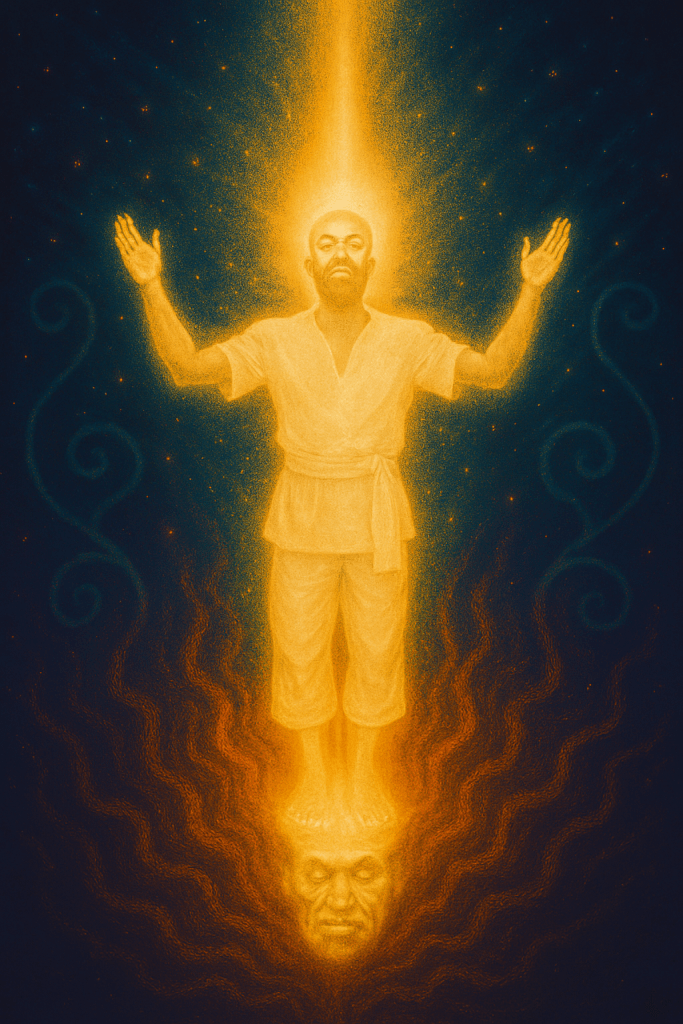
To achieve self-mastery, especially over something like lust and addiction, isn’t just about breaking free; it’s about using that struggle to build a new spiritual structure and reality within yourself. When Rav Shaul says “through Him who loved us,” he’s showing us the key to this transcendence: love. Love from the Most High, which awakens love within us for our own soul’s destiny. It’s this love that gives us the power to not just fight, but to rise above, to wrestle like Yaʿaqov did and walk away with a new name, a new level of vibration, and a new consciousness. Love is what helps us to cleave to the Most High and ever want to separate ourselves from It, and this is why we fight to overcome.
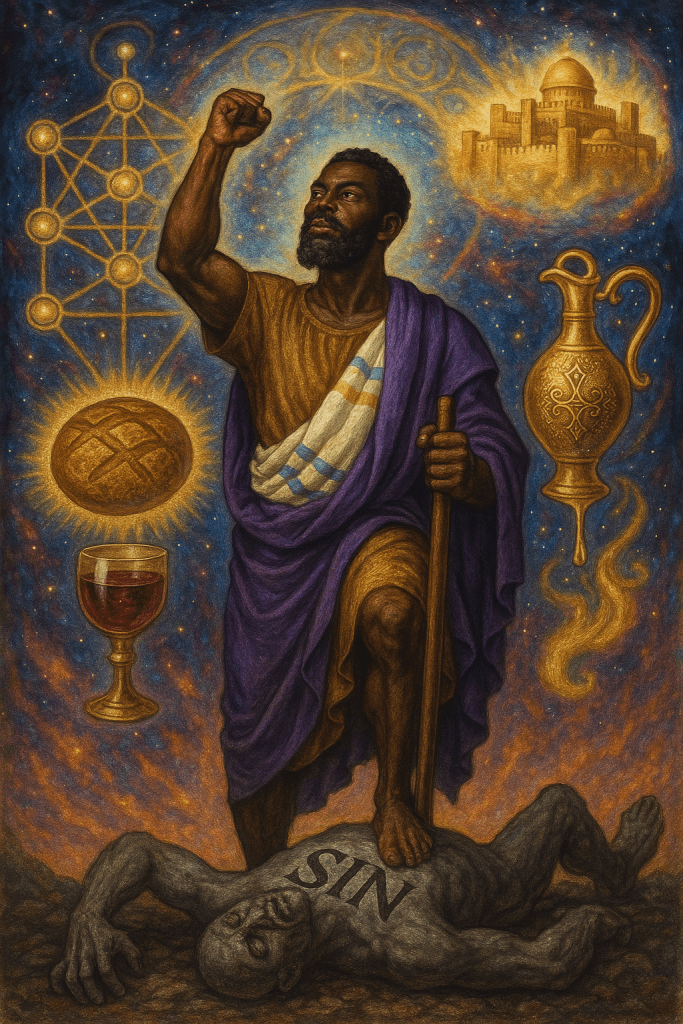
The phrase “more than conquerors” connects to transfiguration. Considering that a conqueror might win a war, but the war itself is what still defines them. Being more than a conqueror, however, means that the trials, pain, and even failures no longer define you; they instead refine you. The Torah shows us that this kind of elevation only comes when we take the raw energy of struggle and convert it into the light of obedience, wisdom, and heavenly alignment. My journey with pornography has taught me that true victory isn’t just leaving Egypt; it’s walking into the Promised Land with a renewed mind and a healed spirit. And it’s this renewal that gives us the strength to overcome those challenges and enemies that war against our soul. And know that Torah doesn’t romanticize strength; because it defines it for us. The Sages ask:
Who is mighty? He who conquers his inclination (hakovesh et yitzro)
Pirkei Avot 4:1
That word “conquers” is from the Hebrew root כ–ב–ש (k–v–sh), as in “ve’kivshuha.” We find this same word in Genesis 1:28, where we are told of the earth to subdue it. This let’s us know that we are not destroy our humanity or our ego, but to righteously govern it. We do this by ruling our appetites, mastering our impulses, bringing our body, mind, thoughts, words, emotions and actions under kingship.

And let’s be real: the greatest enemy we will ever fight isn’t Rome, Babylon, America, or any of them. We should know, without the shadow of a doubt, that our greatest enemy is our own unmastered self. That’s right, I’m talking about lust, pride, fear, ego, escapism; those are your Philistines. This is why failure doesn’t disqualify you; it defines where the fight really is.
So as I’m wrapping this article up, I’m realizing that this is the Success of Failure all over again! This is why we need to understand that failure is not final, it’s formational. It’s not your shame; it’s your curriculum. With that being said, let’s take into account some ways to become overcomers in our life and beyond.
Steps to Overcome (for real)
- Name the demon, don’t dance with it.
Confess it raw, before Elohim and before trusted, righteous accountability. Hidden battles never become holy victories. - Undergo teshuvah with strategy.
Know that repentance isn’t a feeling, it’s a restructuring. Change routes, routines, passwords, patterns, environments, and make no provision whatsoever for the flesh (Romans 13:14). - Guard your gates.
Brit Einayim, make a covenant with your eyes, and know that what enters through sight and sound instructs your soul’s vibration. Ruthlessly curate your inputs. - Fast and rewire.
Fast from food, yes, but also fast from feeds. Let your neurons detox from dopamine abuse. Replace the ritual with Torah study, prayer, journaling, and movement. - Halakhic structure = holy scaffolding.
Shabbat, daily Tehillim (Psalms), fixed prayers, community rhythms. These acts aren’t religious burdens; they are behavioral boundaries and reconfigurations that hold you while your soul heals. - Walk in the Ruach, not just in rules.
Addiction is deeper than habit; it’s idolatry of the self. Only the Ruach haQodesh can uproot it. Pray for new appetites, not just new filters. - Turn your limp into leadership.
Don’t hide your testimony, weaponize it. Like Jacob, you may walk with a limp. If so, good! Let that limp be your credential in your campaign to liberate others.
So, if you’re reading this and you know you’re wrestling, don’t tap out, and most definitely don’t settle for being “anointed but addicted.” Go to the ford of Yabbok, alone, and fight for your name.
Fight for your future.
Fight for your purity.
Fight for your crown.
Remember, It’s about aligning the Yod (spark of divinity) within us with the Shin (fire of transformation), letting the Resh (mind) be governed by the Aleph (oneness of YaH), and being lifted by the Lamed (learning and growth) into a new level of consciousness and mastery. For me, by overcoming pornography, I haven’t only found victory over a habit but have also stepped deeper into my calling as Yisra’el; chosen, purified, and empowered to reflect the light of the Most High.
You, too, can be more than a conqueror, but only if you conquer you.
To do this, you must:
Choose your identity: Yaʿaqov or Yisra’el.
Choose your method: excuses or mastery.
Choose your end: cycles or crossing over.
Yes, the night is long, the angel is strong, but your new name is waiting on the other side of this wrestle where you’ll end up singing a new song.
So now, rise.
Limp, but lead.
Wounded, but winning.
Struck, but changed.
More than a conqueror.
Transfigured.
Selah….
Discover more from SHFTNG PRDGMZ
Subscribe to get the latest posts sent to your email.

