
by Miykael Qorbanyahu aka the End Time Scribe
Torah: Deuteronomy 11.26-16.17 Haftarah: Isaiah 54.11-55.5 Witness: John 6.35-51
_________________________________________________________________________________________
“…THE three verbs raah, hibbit, and ḥazah, which denote “he perceived with the eye,” are also used figuratively in the sense of intellectual perception. As regards the first of these verbs this is well known, e.g., And he looked (va-yar) and behold a well in the field” (Gen. xxix. 2) here it signifies ocular perception: “yea, my heart has seen (raah) much of wisdom and of knowledge” (Eccles. i. 16); in this passage it refers to the intellectual perception. In this figurative sense the verb is to be understood, when applied to Elohim e.g., “I saw (raïti) YHWH” (1 Kings xxii. 19); “And YHWH appeared (va-yera) unto him (Gen. xviii. 1); “And Elohim saw (va-yar) that it was good” (Gen. i. 10) “I beseech thee, show me (hareni) thy esteem” (Exod. xxxiii. 18); “And they saw (va-yirü) the Elohim of Israel” (Exod. xxiv. 10). All these instances refer to intellectual perception, and by no means to perception with the eye as in its literal meaning: for, on the one hand, the eye can only perceive a corporeal object, and in connection with it certain accidents, as colour, shape, etc.: and, on the other hand, Elohim does not perceive by means of a corporeal organ…”
Guide for the Perplexed: On ra’ah, hibbit and hazeh. Pg. 18
If a prophet or a dreamer of dreams arises among you and gives you a sign or a wonder, and the sign or wonder that he tells you comes to pass, and if he says, ‘Let us go after other [elohim],’ which you have not known, ‘and let us serve them,’ you shall not listen to the words of that prophet or that dreamer of dreams. For יהוה your Elohim is testing you, to know whether you love יהוה your Elohim with all your heart and with all your soul.
Deuteronomy 13.1-3
_________________________________________________________________________________________
At some point in our life, we have dealt with or have been an individual without integrity. It may have very well turned out that initially, we or the other, were believable in what was said or done. For the sake of consistency moving forward, let’s present “the other” as the focus. Dealing with them for some time we grow to perceive that whether it was putting up with their words or actions, it becomes clear from the interaction with them that the individual can in no way gain our confidence. By repeatedly observing them misrepresent themselves, or whatever business they are engaging, we tend to look at individuals of such character with spite and distrust; even more, often times we will all together avoid their entire presence by offering little to no energy in their direction. Familiar with all of the games and deceit that they would bring with them, our encounters become more and more jaded given the misrepresentations that they craftily present to us with no remorse. After arriving at a place of conviction and clear resolve, it behooves anyone with good sense interacting with them to cut off all contact with them for one’s own peace of mind. Such is the case with the false prophet who, after discerning the deceptions of their doctrine, become abhorrent to our senses and interests for and in regard to the Kingdom. Aware of such individuals lurking in the shadows, the Master informed his disciples and us who follow Him to take heed that no one leads you astray (Matthew 24.4).
Throughout Scripture we are reminded repeatedly of the vital role that the mind plays in discerning reality and truth. Whenever the people of Israel were wandering wayward and walking contrary to Torah, prophets were sent by Elohim to the people in order to challenge not only their ways, but also their thoughts. During their campaigns of repentance, words like hear O Israel, behold, take heed, listen, lift up your eyes, draw near and the like were used to direct the minds of the people to the central meaning of their message; turn back and serve YHWH. There were other times, however, when false prophets arose and would mislead the people of Israel into apostasy and idolatry, sparking the wrath of Elohim and celestial judgments in the form of punishments from either plagues, famines or war. When confronted with these chastisements, it was usually the outcry of the people for deliverance from the circumstance that would create the condition for a prophet of Elohim to be sent to the rescue.
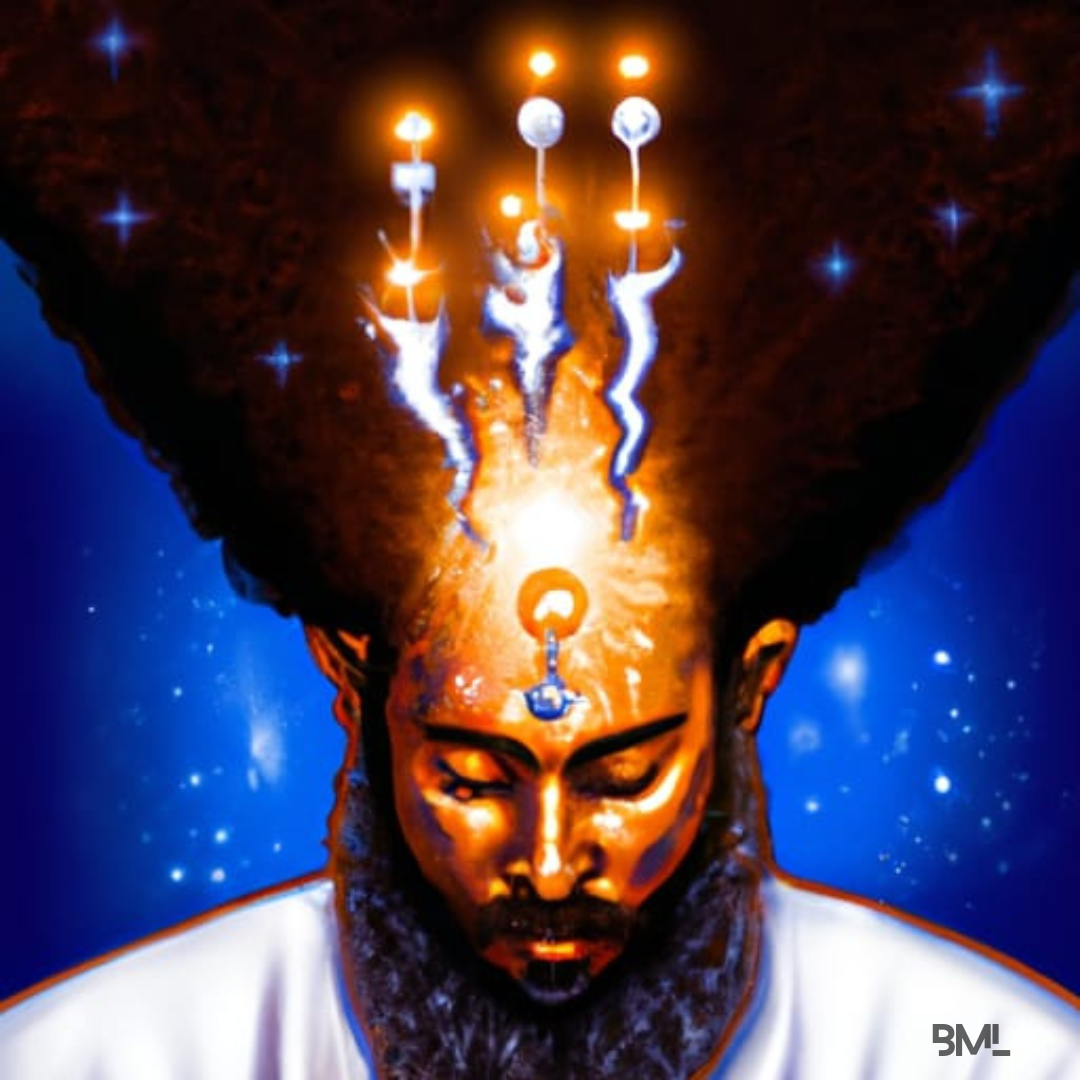
This week’s Torah portion, Re’eh, meaning “See” in English, serves as a poignant reminder of the intricate relationship between the mind, the celestial wisdom encapsulated within Torah, and the discernment required to navigate the ever-present threat of false prophets and their misleading messages. Just as the Hebrew language employs verbs denoting sight to represent intellectual perception, the Torah beckons us to develop an inner vision — a Messianic Torah consciousness — that penetrates beyond the surface to apprehend the profound truths embedded within its teachings.
As we arrive at the fourth reading from the scroll of Deuteronomy, we come to an important juncture that speaks to the very heart of the next generation of Israelites. It is a sure principle and enduring idiom of Messianic Torah consciousness that Elohim engages Israel intellectually. In fact, so important is intellectual engagement in the full scope of Kingdom lifestyle that the wisest of all kings, Solomon ben David, encouraged his people to guard your heart (lev/לֵב) above all else, for out of it are the sources of life (Proverbs 4.23). As the very depths of the inner man, the Strong’s Hebrew Lexicon identifies lev with mind, will, knowledge, thinking, reflection and memory. Lev is also thought of as the faculty for the selection, formulation and application of words used to express intellect according to the Dictionary of Torah Names and Words. Bearing one of the most significant roles in both the plan of redemption and the administration of the Kingdom of Heaven on Earth, it is with the mind as the epicenter of sensory experiences that we are able to connect with the Shekinah of Elohim.
As our Source of being, Elohim – the Supreme Celestial Intelligence (SCI) – does not rely on corporeal organs, or sensorial experience, for perception. In this very assertion lies a powerful metaphorical representation of the necessity for us to transcend the surface-level understanding of the world. The true perception of Elohim’s wisdom is not confined to the limitations of the material world but emerges through the intellectual and spiritual expression of Torah. And so it is with us, as the inner man who, with the mind, perceives the will of Elohim and is established in the knowledge of Torah of YHWH so that when we meditate and recall to memory the Torah, our thoughts then activate the celestial faculty of wisdom for the selection, formulation and application of the Torah used to express SCI. In this spirit, we find the words from the fourth benediction of the Amidah giving affirmation to this reality, as we pray three times daily these words:
You favor your people with knowledge, teaching the sons of Adam understanding. Favor us with knowledge, understanding and applied wisdom from You. Blessed are You, YHWH, favorable Giver of knolwedge. Amein.
With Parashat Re’eh we are extended an invitation of the Light of Life (John 1.1-5) which engages our intellect and emphasizes the importance of guarding our heart. The mind, which again is often symbolized as the heart in Hebrew thought, serves as the focal point for the assimilation of celestial wisdom. By cultivating a Messianic Torah consciousness, we create a shield against the seductive allure of false teachings. It is this very consciousness that allows us to perceive the Shekinah of Elohim — the Supreme Celestial Presence (SCP) — and to be illuminated by the Light of Life embedded within Torah.
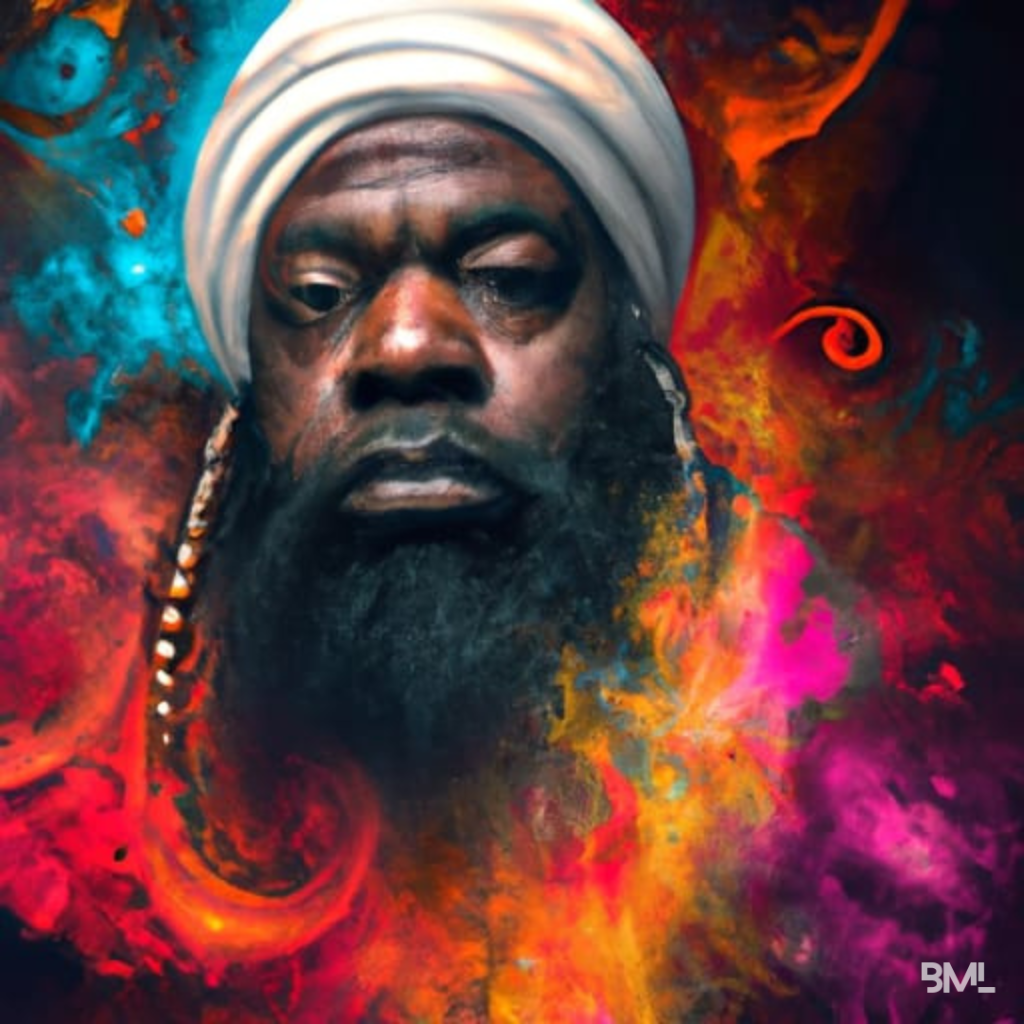
In Deuteronomy 13, of which this writing has its focus, a stern warning against false prophets is articulated. The passage illuminates the truth that even if a sign or wonder is performed by a prophet comes to pass, it is not merely the external marvel that serves as a litmus test of authenticity, but rather the essence of the message and the name in which the prophet utters their prophecy. The litmus test extends far beyond the realm of the sensory and into the realm of the intellect and discernment. This underscores the importance of intellectual engagement with the Torah, as it equips us with the tools of consciousness needed to identify the true from the false, the authentic from the counterfeit, the reality from the counterfeiting illusion.
The deceptive nature of false prophets becomes strikingly evident when viewed through the lens of Messianic Torah consciousness. Much like encountering individuals lacking integrity, repeated exposure to their falsehoods leads to a discernment that is grounded in a deeper understanding of their character. In the context of spiritual guidance, false prophets aim to disconnect souls from the Light of Life present in Torah. They mimic the signposts of authentic messengers while subtly steering individuals away from the path of celestial truth. Just as discerning individuals eventually sever ties with deceitful people for their own well-being, a spiritually aware person will inevitably sever ties with the messenger and their messages of false prophecy to safeguard their spiritual integrity. As the prophet Isaiah warned his generation of such false prophets, so too does his prophecy resonate with us for today in guarding against the deceivers, as he stated…to the Torah and to the witness! If they do not speak according to this Word, it is because they have no Light (Isaiah 8.20).
In the final analysis of the matter, it is the intricate interplay between intellectual perception, discernment, and spiritual insight that is central to Messianic Torah consciousness which keeps our mind rooted in the Light of Life. Just as the Hebrew verbs raah, hibbit, and ḥazah illustrate the multifaceted nature of perception, Torah calls us to cultivate a perceptive inner eye of the inner man that penetrates beyond the surface and recognizes the authentic from the counterfeit. The caution against false prophets in Deuteronomy 13 underscores the imperative of intellectual engagement with Torah as a means to safeguard against spiritual deception which abounds. By nurturing a mind connected to the Light of Life through prayer, study, meditation and application, we edify ourselves against the alluring tactics of false prophets, thereby ensuring that we remain firmly anchored in the profound truths of YHWH’s Torah.
Selah…
Discover more from SHFTNG PRDGMZ
Subscribe to get the latest posts sent to your email.

